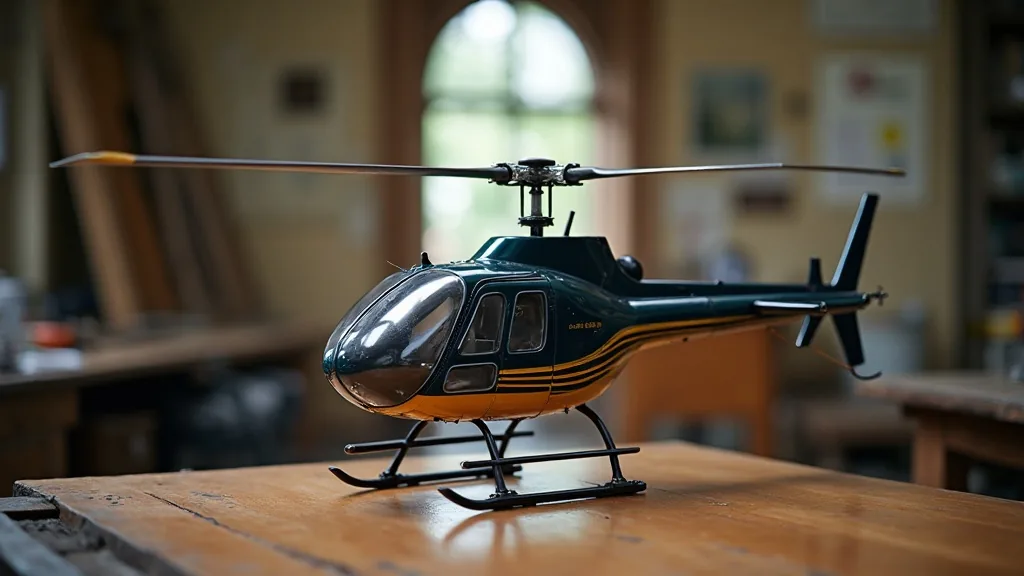
By 2027, helicopter and seaplane connectivity from Bali FBOs is expected to link Denpasar’s General Aviation Terminal to at least 12–18 resort, dive and wellness locations across Bali, Lombok, the Gilis and Komodo region, often in 25–60 minutes’ flight time, coordinated directly from private jet arrivals at DPS/WADD.
How will helicopter and seaplane links actually work from Bali FBOs by 2027?
By 2027, the working model at I Gusti Ngurah Rai International Airport (DPS/WADD) is likely to mirror mature resort hubs such as the Maldives: private jet passengers clear CIQ at the General Aviation Terminal, then transfer directly to a rotor or floatplane stand coordinated by ground handlers. As of August 2026, operators already use the Bali Executive Aviation Terminal (South Terminal/BEAT) for separate GA flows, with towing to and from remote stands for parking managed by licensed handlers.
Helicopter departures will typically stage from helipads on or adjacent to the airfield, while seaplanes are more likely to use coastal embarkation points within 15–40 minutes’ drive of the FBO, depending on approvals from the airport authority and coastal zoning rules. Flight plans will still be filed through AirNav Indonesia and all permits routed through DGCA/DKPPU and the SMS-FSC system where required.
For operators, this means Bali private jet helicopter charter link options will be built into trip design at the slot and permit stage. Coordination will sit alongside Bali private jet FBO slots and permits work, rather than as an afterthought once the aircraft is already on the ground.
Which resorts and remote areas are likely to connect by helicopter and seaplane first?
The earliest helicopter and seaplane corridors are expected to prioritise high-yield resort clusters within 200–300 nautical miles of DPS. As of August 2026, charter demand already concentrates on Bali–Lombok–Gili transfers, East Bali dive sites near Amed and Tulamben, private estates in North Bali, and Bali remote island connections by charter toward Sumbawa and the Komodo National Park region.
Helicopters are better suited to clifftop and hillside resorts on the Bukit Peninsula, Ubud-area villas, and private compounds without runway or water-landing access. Seaplanes will favour lagoons and bays near resort jetties in Lombok, the Gilis, Labuan Bajo and emerging eco-resorts along the Nusa Tenggara chain, subject to maritime and environmental approvals.
For business and lifestyle travellers, these links mean door-to-villa times of 60–120 minutes from chocks-on for many properties that currently require 3–6 hours by road and boat. That shift is critical for tight schedules such as a Bali crypto conference private jet travel profile, where delegates may only have one or two nights on island.
How will FBO processes adapt to rotor and seaplane transfers by 2027?
Helicopter and seaplane growth will not change the core fact that all GA movements at DPS/WADD use the General Aviation Terminal with private CIQ. Instead, procedures will be layered: bali private jet immigration fast track style flows will be combined with dedicated routing from lounge to airside vehicle for short transfers to rotary or float operations, based on airport security rules as of August 2026.
For passengers, better Bali signage and wayfinding for GA pax will be essential so that mixed groups (some continuing by road, some by air) stay separated but coordinated. Queue times will be managed through pre-booked slots and manifest control, supported by Bali queue management for jet departures systems that already exist for peak periods like July–August and December–January.
On the ramp, handlers will need to refine bali towing to remote stand for parking processes to free up close-in space for quick-turn helicopters, especially during simultaneous widebody and large-cabin arrivals. Feedback from operators is already pushing FBOs that aim to be recognised as top-rated FBO Bali Indonesia choices to invest in more predictable ground logistics and improved crew briefings around mixed fixed-wing/rotor operations.
What will this mean for crews, operators and remote-work commuters?
For crews, extended networks mean longer duty days but also better rest options. As of August 2026, several lounges at Bali already offer showers; by 2027 more dedicated Bali shower and spa options for jet crews are expected around the GA side, aligning with longer layovers while guests continue onwards by helicopter or seaplane.
Operators supporting Bali remote work private jet commuting patterns – executives shuttling in and out of co-working resorts in Canggu, Uluwatu or out-island retreats – will be able to time arrivals so that rotor transfers leave within 30–60 minutes of landing, minimising on-ground idle time. That will depend heavily on accurate slot timing and robust AI assisted operations planning for Bali private jet handling 2027 for multi-leg itineraries.
On the technical side, more movements in remote areas increase the importance of Bali private jet spare parts logistics and contingency planning. Crews may position helicopters or seaplanes overnight at resort pads or moorings; support teams must map realistic delivery times for parts, engineers and fuel, including use of Bali tech stop alternative airports in East Java or Lombok for diversions.
How do sightseeing, lifestyle trips and events fit into the 2027 picture?
Short-hop bali helicopter sightseeing add-on for jet pax flights are expected to become a standard upsell around DPS by 2027. Think 20–40 minute scenic loops over Mount Agung, Tanah Lot or Nusa Penida, bolted directly onto arrival or departure days. As of August 2026, permitting for such flights still depends on route design, airspace constraints and local noise sensitivities.
Event-driven traffic will also drive demand. Major regional gatherings – including blockchain and tech summits – already create spikes in Bali crypto conference private jet travel. By 2027, itineraries will likely combine DPS arrival, same-day seaplane transfer to a private-island venue, and helicopter repositioning for side events or gala dinners.
For high-touch groups, FBO concierge will integrate these flights with Bali luxury arrival private jet packages, ensuring CIQ, baggage and resort transfer are treated as a single journey. Mandarin-speaking passengers, in particular from Greater China events, are likely to benefit from dedicated Bali mandarin speaking VIP handlers covering both fixed-wing and rotor phases of the trip.
What coordination, compliance and feedback loops will operators need to manage?
More complex itineraries mean more compliance. As of August 2026, operators already face strict Bali reporting obligations for unusual movements, especially for charter flights with non-standard routings, aerial work, or operations intersecting sensitive airspace and KKOP zones. Helicopter and seaplane sectors add additional layers: coastal overflight, low-level sightseeing and remote landing sites all require careful documentation.
Ground support companies acting as independent civilian service providers will continue to coordinate exclusively via written channels with DGCA/DKPPU, AirNav Indonesia, airport authority and the SMS-FSC system where required. No shortcuts or informal “fast lanes” are possible; instead the focus is on clean paperwork and realistic lead times, particularly in peak seasons.
To keep operations workable, continuous Bali feedback loops with operators and crews will shape slot selection, routing, and even recommended resort partners. Over time, this data will refine preferred corridors, tech stops, and service standards for integrated Bali remote island connections by charter combining jets, helicopters and seaplanes.
- Typical planning lead time for combined jet + helicopter/seaplane trips: 3–7 days as of August 2026, longer for first-time operators or peak season.
- Estimated same-day FBO-to-resort helicopter sectors: 20–60 minutes for most Lombok, Gili and Nusa Penida routes, depending on type and routing.
- CIQ at the General Aviation Terminal generally takes 10–20 minutes as of August 2026, subject to passenger count and inspection complexity.
- Documentation usually includes passenger manifests, crew details, landing permits and, for some routes, additional security and environmental clearances.
- Bali tech stop alternative airports (e.g., in East Java or Lombok) may be used for fuel or weather diversions before passengers transfer to onward helicopters.
- Integrated itineraries often synchronise bali queue management for jet departures with onward rotor slots to avoid idle time on the ground.
- Operators can access Bali FBO crew and aircraft support services covering rest arrangements, transport, and ad-hoc bali private jet spare parts logistics.
Frequently asked questions
how much does Helicopter and seaplane connectivity from Bali FBO by 2027 cost in Bali?
As of August 2026, indicative one-way helicopter or seaplane sectors from Bali FBOs typically fall in the USD 2,500–9,000 range per flight, depending on aircraft type, route length, payload, and waiting time. Event periods, night operations, remote refuelling and positioning legs can push totals higher, so operators should always obtain a written quote.
is Helicopter and seaplane connectivity from Bali FBO by 2027 worth it in Bali?
Connectivity is generally worthwhile when time, privacy or security are high priorities. Saving 2–4 hours of road and boat travel, keeping groups within a managed GA environment, and enabling same-day access to remote resorts can justify costs, especially for high-value leisure, C-level, or Bali remote work private jet commuting schedules with tight turnaround.
what is included in Helicopter and seaplane connectivity from Bali FBO by 2027?
Typical inclusions are aircraft, crew, basic route planning, and FBO-side coordination for transfer between the private jet and helicopter or seaplane. Quotes may also include standard ground transport on the resort side. Airport fees, premium lounges, special Bali private jet immigration fast track options and bespoke sightseeing routing are usually itemised separately.
How do helicopter and seaplane transfers interact with Bali private jet handling rules?
All international arrivals and departures must still comply with Indonesian DGCA, AirNav and airport authority rules, using official written channels only. Helicopter and seaplane segments are added on top of standard ground handling, slots and permits, so operators plan them together with jet movements to avoid conflicts in ramp use, timing and reporting obligations.
Can Bali FBO teams support non-English-speaking VIPs using these links?
Yes. Many ground teams already support multiple languages, and demand for Bali mandarin speaking VIP handlers is increasing. For 2027-forward operations, operators should specify language needs early so that FBOs can align staff, signage, and briefing materials across both fixed-wing and helicopter or seaplane legs for a consistent passenger experience.
To plan multi-leg jet, helicopter or seaplane itineraries, or to arrange full Bali FBO crew and aircraft support services, contact the BD desk at WhatsApp 6281139414563 or bd@juaraholding.com (Juara Holding Group).
Last updated 4 August 2026